Column · @daltonoyvd265
Soft Washing vs Pressure Washing: Which Should You Choose?
If you own a home or business in Rockhampton, you already know how quickly the Central Queensland climate leaves its mark on exterior surfaces. Heat, humidity, summer storms, and the occasional wet season soak create ideal conditions for mould, algae, lichen, and grime. When it is time to clean, two methods dominate the conversation: pressure washing and soft washing. They sound similar, but they work very differently, and choosing the wrong one can damage your property or leave you with poor results. This guide explains how each method works, where each one shines, and how to decide what suits your surfaces.

What Is Pressure Washing?
Pressure washing uses a high-powered stream of water, typically between 1,500 and 4,000 PSI or more, to blast dirt and debris off hard surfaces. The force of the water does most of the work, physically knocking loose stains, built-up grime, and old coatings. Different nozzle tips adjust the spray angle, which changes how concentrated and aggressive the stream is.
This approach is well suited to tough, durable materials that can handle the force without being scarred or eroded.
Surfaces That Suit Pressure Washing
- Concrete driveways, footpaths, and garage floors
- Brick paving and pavers (with care around the jointing sand)
- Concrete pool surrounds and patios
- Steel and heavy-duty metal fixtures
- Commercial loading areas, car parks, and walkways
Risks of Pressure Washing
Used incorrectly, pressure washing can gouge timber, strip paint, etch concrete, force water behind cladding, and damage window seals. It can also blast away mortar and jointing sand. Operator skill and the correct pressure setting matter enormously.
What Is Soft Washing?
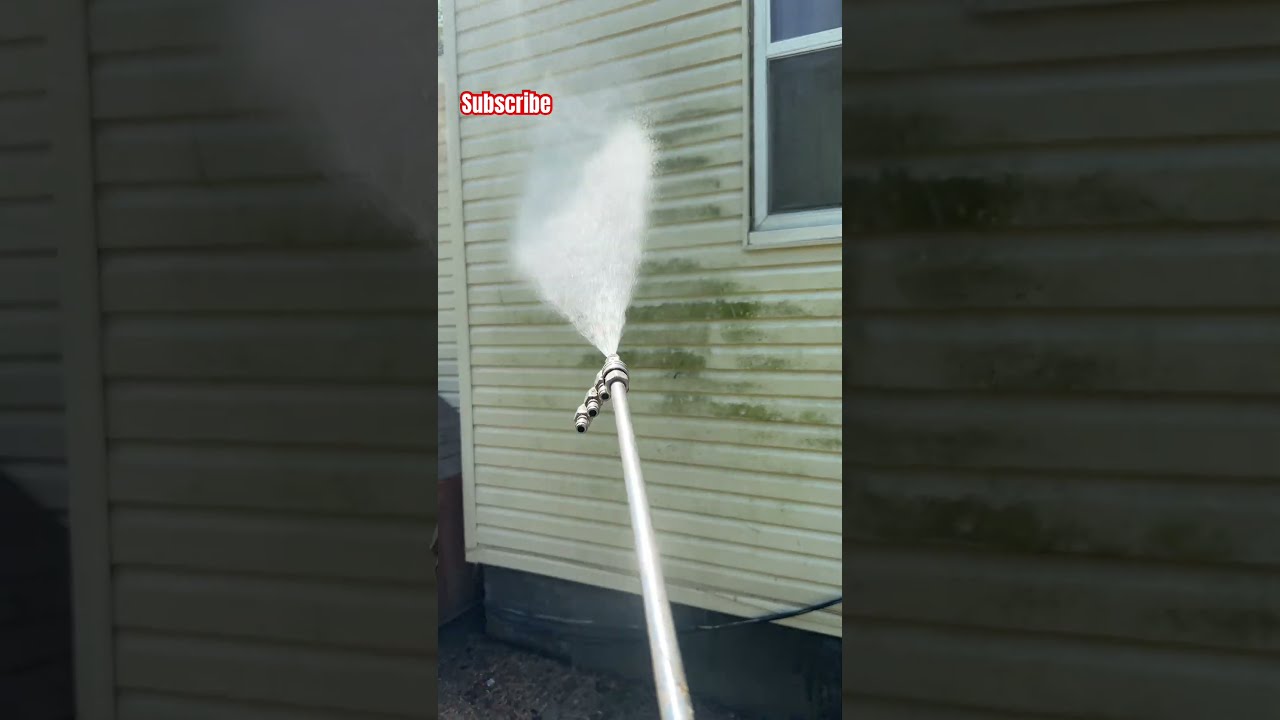
Soft washing uses low pressure, often similar to a garden hose, combined with specialised cleaning solutions. These typically include a sodium hypochlorite-based mix along with surfactants that help the solution cling to the surface. Rather than blasting contamination away, the solution breaks down and kills the organic growth at its source. The surface is then rinsed gently with fresh water.
Because it targets the roots of mould, algae, and lichen rather than just the visible surface layer, soft washing tends to keep surfaces cleaner for longer. Growth often returns more slowly than after a high-pressure clean alone.
Surfaces That Suit Soft Washing
- Colorbond and tiled roofs
- Painted weatherboard, render, and rendered brick
- Vinyl and aluminium cladding
- Timber decks, pergolas, and fences
- Screen enclosures and outdoor furniture
- Window frames and sills
Key Differences at a Glance
Cleaning Mechanism
Pressure washing relies on mechanical force. Soft washing relies on chemistry. This is the fundamental difference, and it explains almost every other contrast between the two methods.
Safety for Your Property
Soft washing is far gentler on delicate or aged materials. Roof tiles, for example, can crack or lose their protective glaze under high pressure, and water forced under tiles or into eaves can cause leaks and internal damage. Most roofing manufacturers and industry bodies recommend low-pressure methods for roof cleaning.
Longevity of Results
Pressure washing removes visible dirt but may leave spores behind, especially in porous materials. Soft washing kills mould and algae spores, so the surface typically stays clean for a longer period. In Rockhampton's warm, humid conditions, this can make a noticeable difference between cleans.
Speed and Effort
Pressure washing is very effective for heavy, caked-on dirt, oil stains, and stubborn grime on tough surfaces. Soft washing requires dwell time for the solution to work, but it often needs less physical effort on large areas such as roofs and walls.
Why Local Conditions in Rockhampton Matter
Rockhampton sits in a subtropical to tropical transition zone, with https://cruzghht608.lucialpiazzale.com/rockhampton-storm-clean-up-when-to-call-a-pressure-cleaner hot summers, high humidity at times, and intense UV exposure. These factors affect how quickly growth appears and how surfaces age.
- Humidity and wet season rain: Encourage mould, mildew, and algae on shaded walls, roofs, and south-facing surfaces.
- Intense UV: Can leave paint and older materials brittle, which makes them more vulnerable to damage from high pressure.
- Dust and red soil: Settles on driveways and walls, creating stubborn staining that often responds well to targeted pressure cleaning on hard surfaces.
- Tree debris and bird droppings: Common on roofs and patios, where soft washing treats organic build-up effectively.
Many older Queenslander-style homes in the region also feature timber cladding and weatherboards. These are typically best treated with soft washing or very low pressure to avoid damaging paint and wood fibres.
How to Choose the Right Method
The best approach starts with your surface material and the type of dirt you are dealing with.
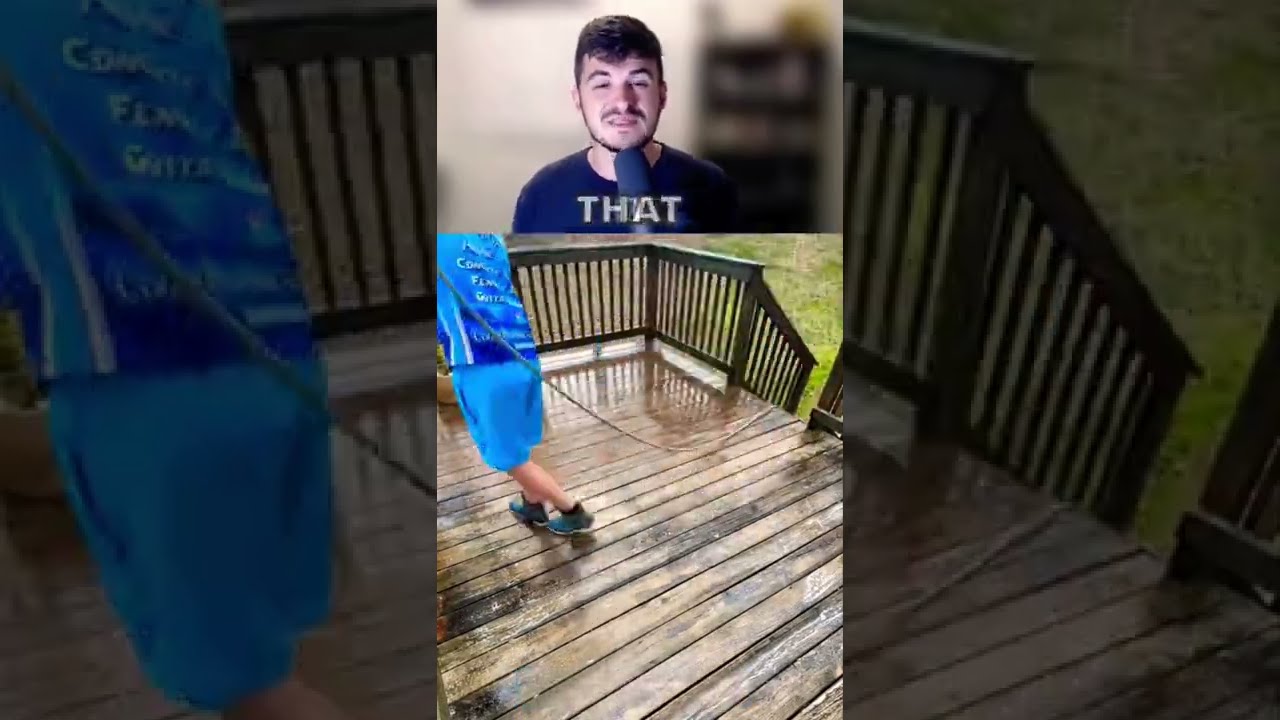
- Identify the surface. Hard and durable (concrete, pavers, steel) generally points to pressure washing. Soft, porous, painted, or delicate (roofing, cladding, timber) points to soft washing.
- Identify the contamination. Oil, tyre marks, and compacted dirt respond to pressure. Mould, algae, lichen, and mildew respond better to soft washing.
- Consider the age and condition. Older paint, cracked render, and weathered timber are more vulnerable and benefit from the gentler approach.
- Think about longevity. If you want a clean that lasts, soft washing's biocidal action offers an advantage on organic growth.
- Ask about a combined approach. Many properties need both, such as soft washing the roof and walls and pressure washing the driveway.
Can You Combine Both Methods?
Yes, and many professional cleaners do exactly that. A typical full-property clean might involve soft washing the roof, walls, and eaves, then pressure washing the driveway, paths, and paved areas. This ensures each surface is treated with the most appropriate technique rather than a one-size-fits-all approach.
Environmental and Safety Considerations
Responsible soft washing involves managing chemical runoff, protecting garden beds and plants, and keeping pets and people clear during treatment. Pre-wetting plants, diluting solutions appropriately, and rinsing thoroughly are standard practices. Wastewater from commercial cleaning should be prevented from entering stormwater drains, in line with Queensland environmental guidelines and local council expectations.
Working at height on roofs also carries real safety risks. Falls from roofs remain a leading cause of serious injury in home maintenance, which is one strong reason to leave roof washing to insured professionals with the right equipment.
DIY vs Hiring a Professional
Basic pressure washing of a concrete driveway is a reasonable DIY job for many homeowners. Soft washing, however, involves mixing and applying chemicals correctly, and mistakes can harm plants, surfaces, or your health. Professional services bring commercial-grade equipment, appropriate cleaning solutions, and experience judging the correct pressure and chemical strength for each material.
When comparing local providers, consider asking:
Do they carry public liability insurance? Do they use low-pressure methods for roofs and cladding? How do they protect landscaping and manage runoff? Can they explain which method they plan to use on each surface and why? A reputable provider will answer these questions clearly.
How Often Should You Clean?
In Rockhampton's climate, many homeowners find that an annual or every-second-year exterior clean keeps growth under control. Shaded, damp, or tree-covered properties may need attention more often, while sunny, well-ventilated surfaces can go longer. Regular maintenance prevents heavy build-up, protects paint and roofing, and helps your property hold its value.
The Bottom Line
Neither method is better across the board. Pressure washing is the right tool for tough, hard surfaces and stubborn stains, while soft washing is the safer, longer-lasting choice for roofs, painted walls, timber, and anything delicate or prone to organic growth. For most Rockhampton properties, the best result comes from matching the method to each surface. If you are unsure which approach your home needs, a professional assessment can help you avoid costly damage and get a result that lasts well into 2027 and beyond.
Capricorn House Washing
0482 073 600